
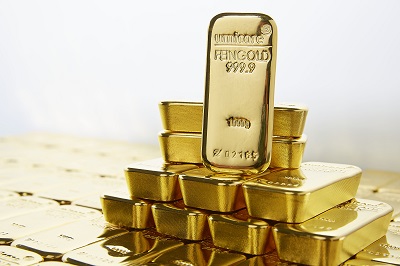
The recovery of gold from jewelry and electronic scrap is becoming increasingly important, as the gold deposits that can be mined with today's technology grow scarcer and the cost of gold production keeps rising. According to the World Gold Council (WGC), the gold industry's trade association, global production costs reached US$1,785 per ounce in the first quarter of 2026. Another driver is the ecological advantage: the footprint of gold recovery is many times smaller than that of traditional gold production.
Record year 2009: historic high in the recycling share
Gold production through recycling reached its highest-ever share of global output in 2009, at 1,728 tons. No less than 42 percent of total global production came from recycled sources. That put 2009 well above the long-term average, as the recycling share has hovered between 25 and 30 percent for decades. Why was the share so high specifically in 2009, and what are the key factors that drive or slow gold recovery?
Old gold holders dominate recycling supply
Old jewelry accounts for 90 percent of the gold available for recovery, with electronic scrap making up just 6–10 percent so far, a share that is rising. In 2009, two circumstances converged that favored a sell decision among old gold holders: economic crises and a high gold price. That these factors don't always lead to gold sales is shown by 2025. Although the gold price in US dollars had recorded a gain of more than 65 percent, no unusual wave of selling followed. Here, their expectations that the price would keep rising further dominated. The numerous crisis hotspots around the world also motivated holders to keep their gold holdings, as long as a sale did not appear economically necessary.